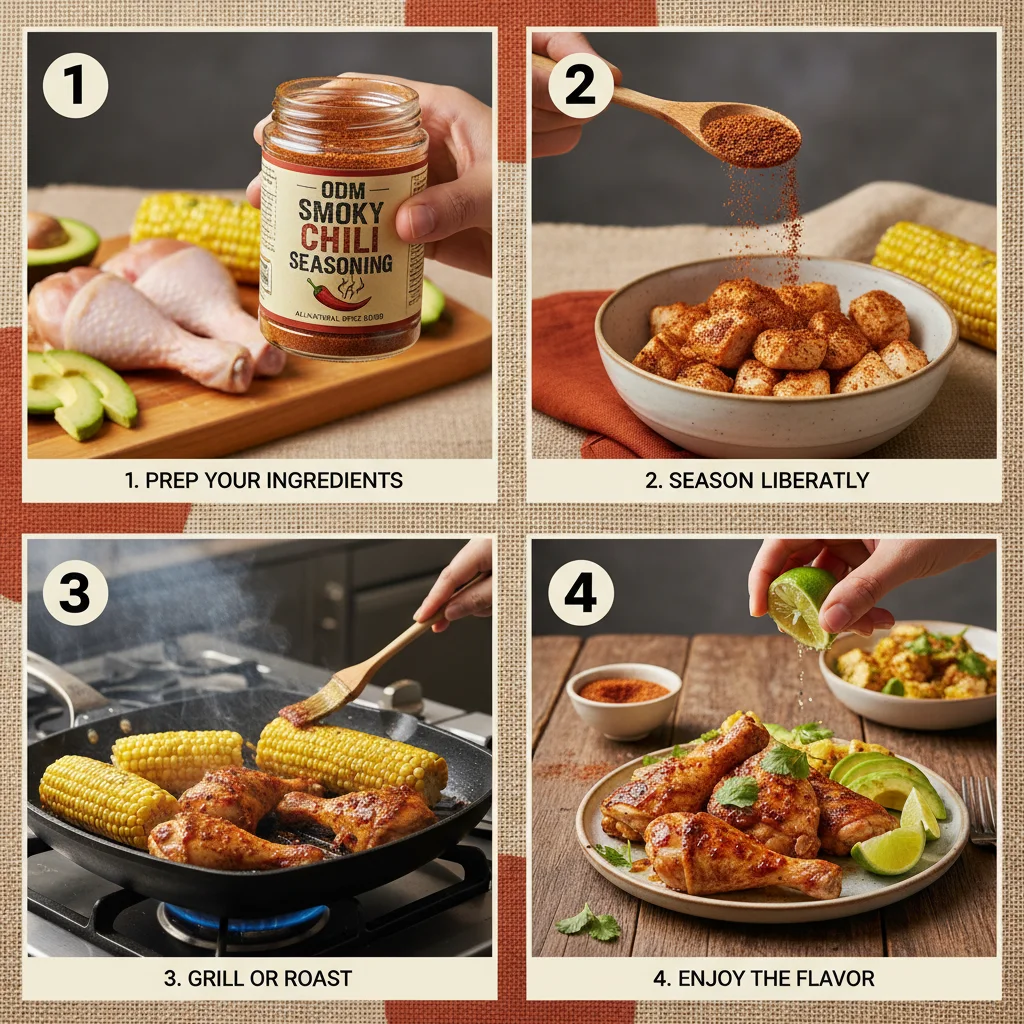
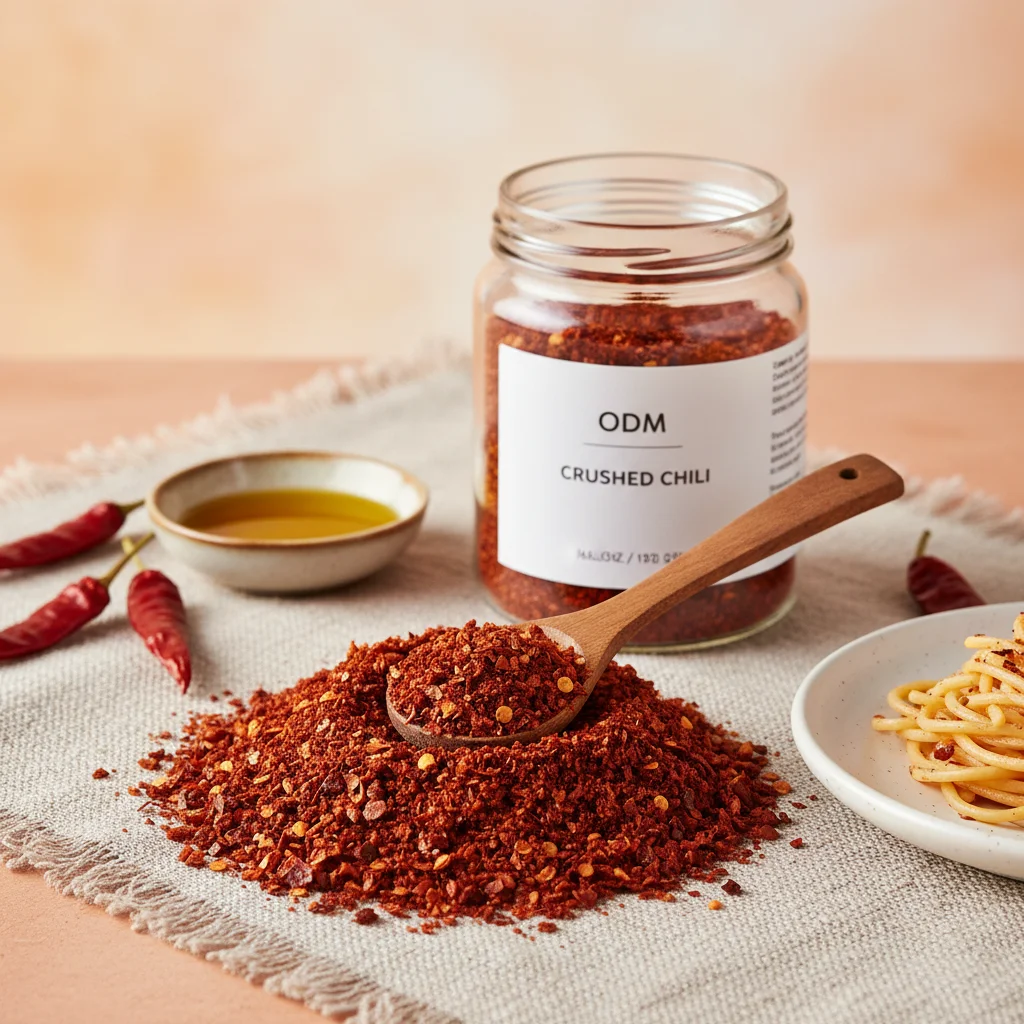
In the competitive landscape of the global food industry, the demand for customized seasoning solutions has surged, making odm spicy pepper powder a pivotal asset for brands looking to differentiate their flavor profiles. Original Design Manufacturing (ODM) allows companies to leverage specialized technical expertise to create a unique heat level, color, and aroma without investing in their own massive processing infrastructure.
The global appetite for spice is no longer limited to regional cuisines; it has evolved into a universal trend where consumers seek authentic yet consistent experiences. Whether it is the smoky depth of paprika or the sharp sting of Gochugaru, the ability to standardize these complex organic materials through odm spicy pepper powder ensures that a brand's signature taste remains identical across millions of units worldwide.
Understanding the intricacies of ODM services in the chili sector is essential for food entrepreneurs and procurement managers alike. By transitioning from simple sourcing to a strategic design partnership, businesses can optimize their supply chains, reduce time-to-market for new products, and ensure strict adherence to international food safety standards, ultimately driving higher consumer loyalty and market share.
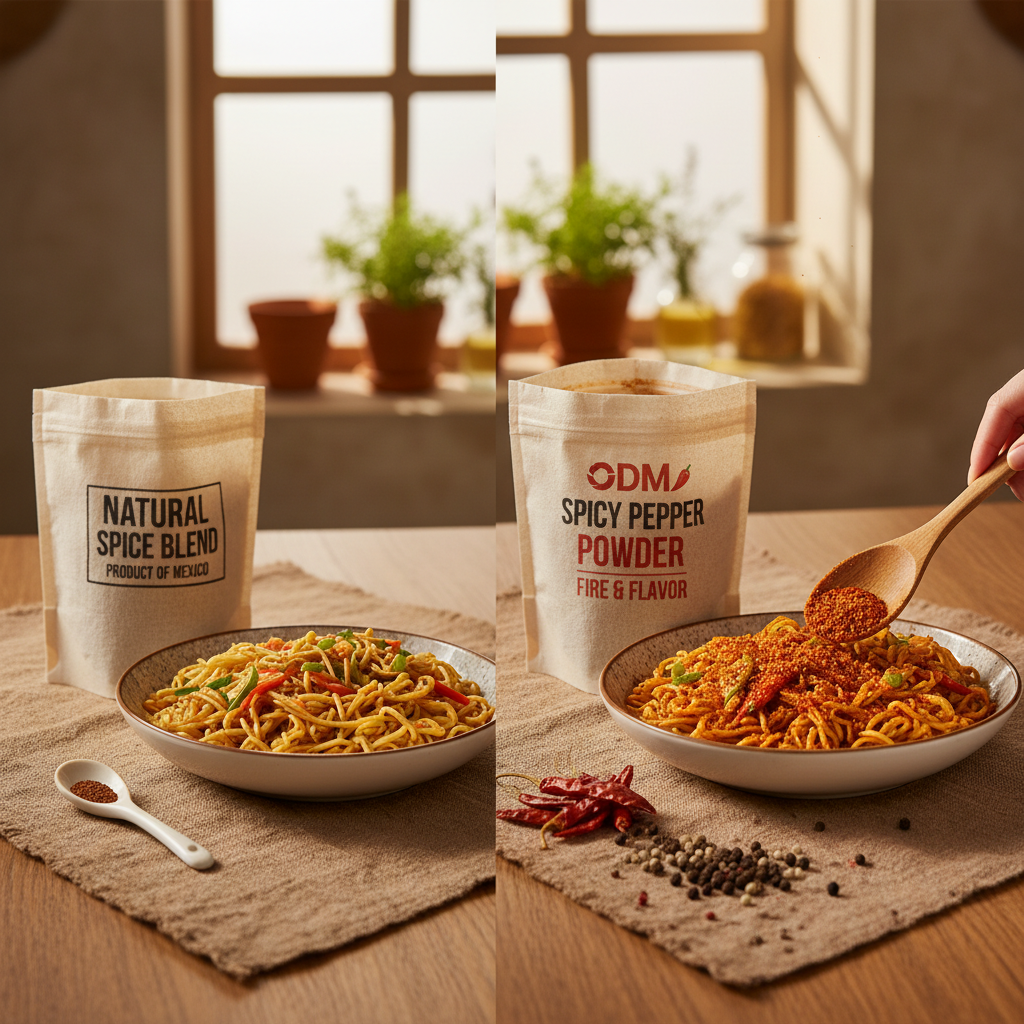
Global Market Relevance of ODM Spicy Pepper Powder
The global spice market has witnessed an unprecedented expansion, with the demand for chili-based products growing at a steady CAGR. As noted in various trade reports and ISO food safety guidelines, the shift toward convenience foods and ethnic fusion has forced manufacturers to seek more agile production methods. This is where odm spicy pepper powder becomes essential, as it allows brands to scale rapidly without the overhead of raw material procurement and milling.
The primary challenge facing the industry today is the volatility of raw pepper harvests and the resulting inconsistency in capsaicin levels. By partnering with an ODM specialist, companies can mitigate these risks through standardized blending processes, ensuring that every batch of powder meets a precise heat profile regardless of the harvest season.
Defining ODM Spicy Pepper Powder in Modern Manufacturing
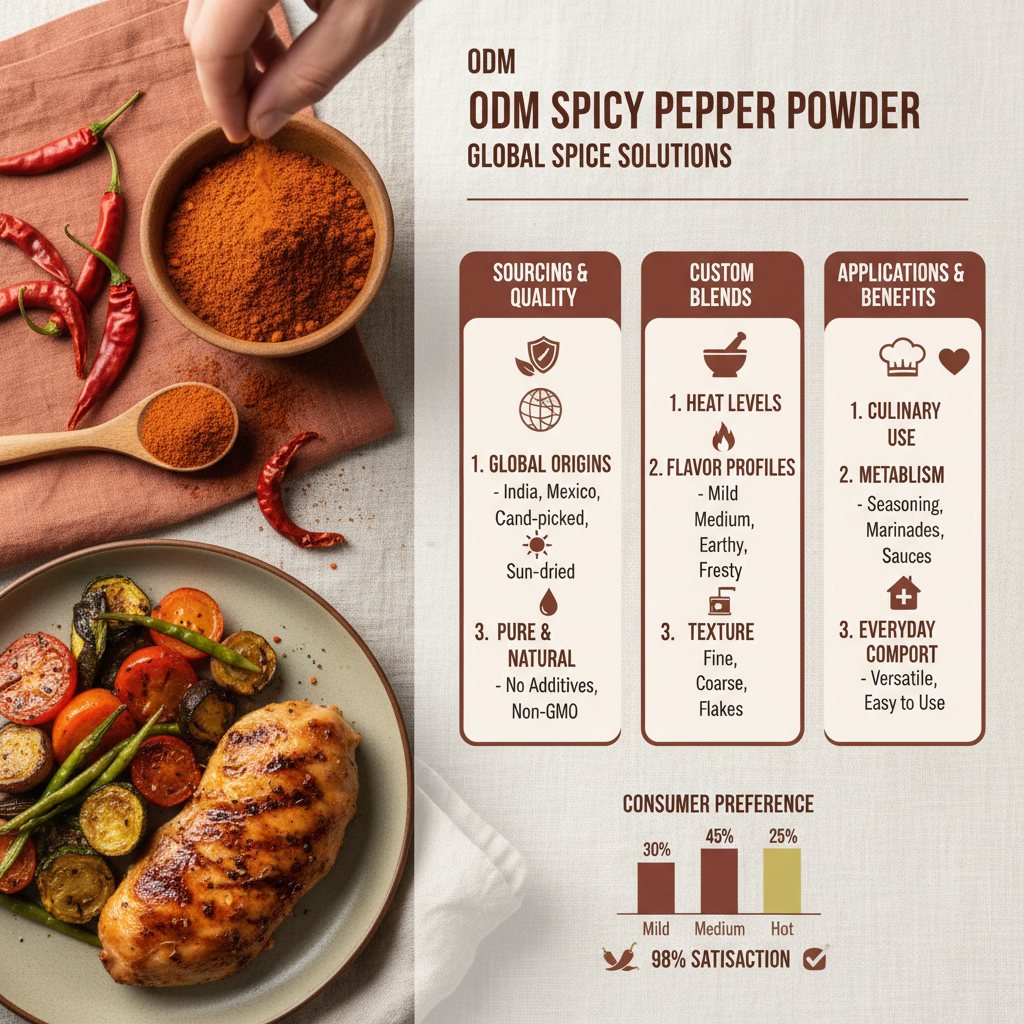
In simple terms, odm spicy pepper powder refers to a partnership where a manufacturer doesn't just supply a generic product, but designs and produces a specific spicy powder formulation tailored to a client's exact specifications. This includes everything from the selection of the pepper variety—such as Chili Pods or Sweet Paprika—to the final mesh size of the powder and the specific heat unit (SHU) level.
Unlike traditional OEM (Original Equipment Manufacturing) where the client provides the formula, ODM involves the manufacturer providing the technical expertise. The manufacturer analyzes the desired flavor profile, suggests the optimal blend of different chili types, and develops a proprietary recipe that the client can then market under their own brand name.
This connection to modern industry is crucial because it democratizes high-end food production. Small to medium enterprises (SMEs) can now enter the global market with a product that possesses the same quality and consistency as a multinational corporation, provided they have a reliable ODM partner for their spicy pepper powder needs.
Core Components of High-Quality Spicy Pepper Powder
The first critical factor is Flavor Stability. When developing odm spicy pepper powder, the goal is to ensure that the volatile oils responsible for the aroma do not degrade during processing or storage. This requires precise temperature control during the grinding phase to prevent the "burnt" taste often found in low-quality powders.
Color Consistency is the second pillar. Consumers eat with their eyes first, and the vibrant red of a high-grade odm spicy pepper powder is a mark of quality. Using advanced sorting technology and avoiding artificial dyes, professional manufacturers ensure that the ASTA color value remains consistent across all batches.
Finally, Purity and Safety are non-negotiable. This involves rigorous screening for aflatoxins, pesticides, and microbial contaminants. A professional ODM service implements a full traceability system, from the farm where the chili pods were grown to the final packaged powder, ensuring compliance with FDA or EU regulations.
Practical Applications and Global Use Cases
The application of odm spicy pepper powder spans across various food sectors. In the snack industry, it is used as a primary coating for extruded corn puffs and potato chips, where the powder must have a specific particle size to adhere evenly to the surface. In the meat processing sector, it serves as a foundational ingredient for dry rubs and sausages, requiring a balance between heat and savory notes.
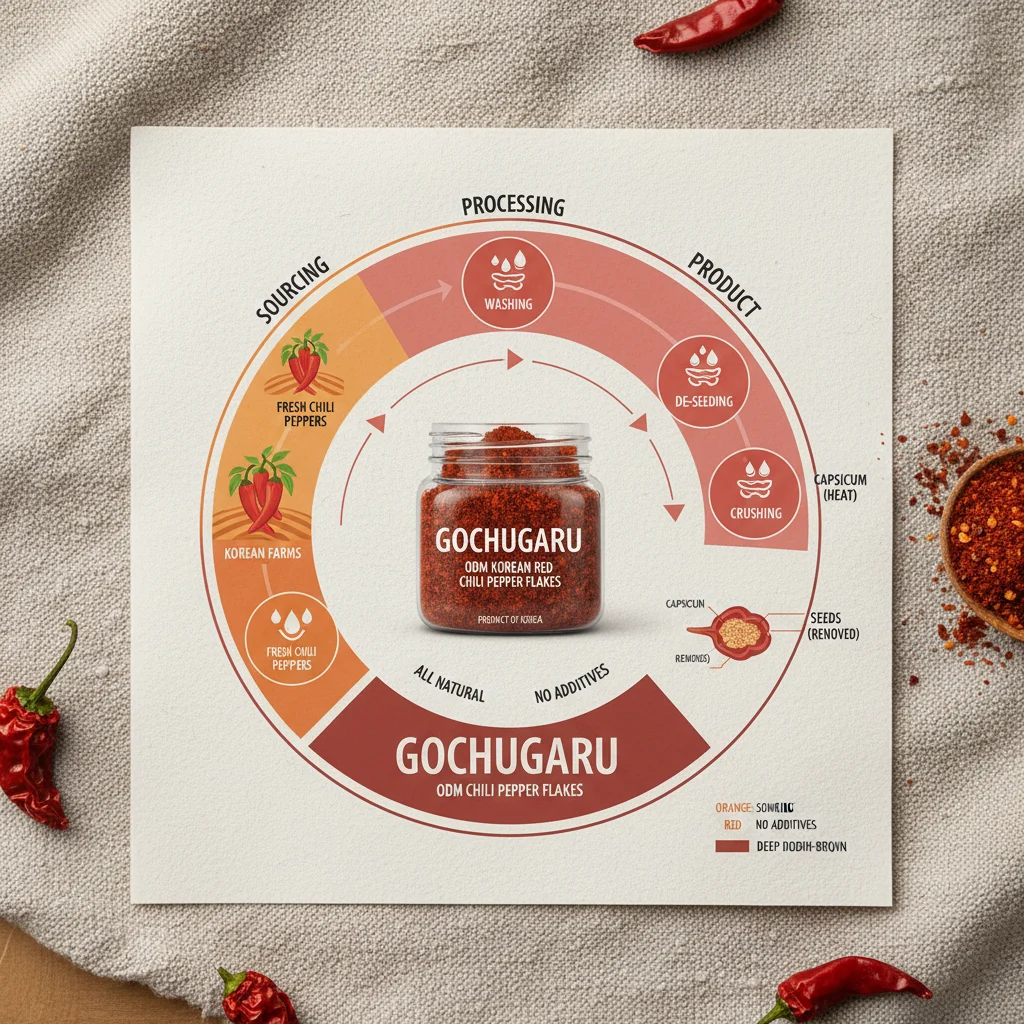
Regionally, we see different demands. In the East Asian market, there is a high demand for Gochugaru-style ODM powders that offer a sweet-spicy balance for kimchi and stews. Conversely, in North American and European markets, the focus is often on Sweet Paprika Powder for color and mild flavor, or intense habanero-based powders for hot sauces.
Comparative Performance of ODM Spicy Pepper Powder Formulations
Long-Term Value and Economic Advantages
The most immediate advantage of using odm spicy pepper powder is the drastic reduction in capital expenditure. Companies no longer need to invest in industrial dryers, grinders, or laboratory equipment to test Scoville units. This allows them to allocate their budget toward marketing and brand expansion, which are the primary drivers of growth in the consumer goods sector.
Beyond cost, there is the element of reliability and trust. A professional ODM partner provides a "buffer" against supply chain shocks. By maintaining strategic reserves of raw chili pods and employing scientific blending techniques, they ensure that the client's product never goes out of stock and never varies in quality, which is essential for maintaining the dignity and reputation of a premium food brand.
Future Trends in Chili Powder Innovation
The future of odm spicy pepper powder is leaning heavily toward "Clean Label" movements. Consumers are increasingly demanding the removal of anti-caking agents and artificial colors. Consequently, the industry is pivoting toward natural processing methods, such as freeze-drying or vacuum-drying, which preserve the nutritional integrity and natural color of the pepper.
Digital transformation is also playing a role. We are seeing the integration of AI in flavor profiling, where data from consumer trends is used to design the "perfect" spicy powder blend. This data-driven approach to odm spicy pepper powder development reduces the trial-and-error phase of product creation, allowing brands to launch trends faster.
Sustainability is the final frontier. Future ODM services will likely focus on regenerative farming practices for chili pods and the use of biodegradable packaging. The move toward "Green Spices" will not only be an ethical choice but a commercial necessity as environmental regulations tighten globally.
Overcoming Industry Challenges and Solutions
One of the biggest challenges in producing odm spicy pepper powder is the risk of cross-contamination. In a facility that handles various spices, ensuring that an "Extra Hot" powder doesn't contaminate a "Sweet Paprika" batch is a constant struggle. The solution lies in strict zoning and the implementation of a rigorous "Wash-Down" protocol between production runs.
Another limitation is the degradation of heat over time. Capsaicin is stable, but the aromatic components are not. To solve this, innovative ODM manufacturers are utilizing specialized nitrogen-flushed packaging and vacuum-sealed bulk bags, which significantly extend the shelf life and flavor potency of the powder.
Finally, the complexity of international trade laws can be a barrier. Expert ODM partners act as consultants, helping their clients navigate the phytosanitary certificates and customs requirements of different regions, turning a logistical nightmare into a streamlined process.
Strategic Analysis of ODM Spicy Pepper Powder Production
|
Formulation Type
|
Heat Level (SHU)
|
Primary Use Case
|
Market Demand
|
| Mild Paprika Blend |
500 - 2,000 |
European Sauces |
High |
| Medium Chili Powder |
5,000 - 15,000 |
General Seasoning |
Very High |
| Gochugaru Style |
2,000 - 10,000 |
Korean Cuisine |
Moderate |
| Extreme Heat Blend |
50,000 - 100,000+ |
Hot Sauce Bases |
Niche |
| Smoked Pepper Powder |
1,000 - 5,000 |
BBQ Rubs |
High |
| Organic Pure Chili |
Variable |
Health-Conscious |
Growing |
FAQS
The primary difference lies in the design phase. In OEM, the client provides the exact recipe and specifications, and the manufacturer simply produces it. In ODM, the manufacturer uses their own R&D expertise to design the formula, heat level, and texture based on the client's goals, providing a complete "turnkey" product solution that is often more innovative and cost-effective.
We use a process called "Standardized Blending." Since raw peppers vary in heat, we test each incoming lot for Scoville Heat Units (SHU). We then blend high-heat and low-heat batches in precise ratios to hit the target SHU. This mathematical approach ensures that your odm spicy pepper powder remains identical regardless of seasonal crop variations.
Yes. We achieve specific colors by selecting different pepper varieties and utilizing precise drying temperatures. For example, low-temperature drying preserves the deep red of Sweet Paprika, while different roasting levels can create the darker hues needed for smoked powders, all while maintaining a 100% natural, dye-free label.
You should prioritize partners with ISO 22000, HACCP, and BRC certifications. These ensure that the facility adheres to global food safety management systems. Additionally, if you are targeting specific markets, look for Organic, Halal, or Kosher certifications to ensure your odm spicy pepper powder can be sold internationally without regulatory hurdles.
Typically, the process takes 2 to 6 weeks. This includes an initial consultation to define the flavor profile, the creation of 2-3 sample prototypes, client feedback, and final refinement. Once the formula is approved, the transition to full-scale production is rapid, allowing for a fast time-to-market.
Absolutely. ODM is specifically designed for scalability. Whether you need 500kg for a pilot launch or 50 tons for a global rollout, the standardized nature of the ODM process ensures that the quality doesn't drop as the volume increases, making it the ideal choice for industrial food manufacturing.
Conclusion
In summary, odm spicy pepper powder represents the intersection of culinary art and industrial precision. By integrating expert design, rigorous quality control, and scalable manufacturing, it allows brands to deliver consistent, high-quality heat and flavor to consumers worldwide. From the meticulous selection of chili pods to the implementation of advanced drying and blending technologies, the ODM model solves the inherent volatility of natural spices, providing businesses with a reliable foundation for growth.
As the global food market moves toward cleaner labels and more authentic ethnic flavors, the importance of a strategic manufacturing partnership will only increase. We encourage food producers and brand owners to move beyond commodity sourcing and embrace the customization and stability offered by professional ODM services. To elevate your product line with a signature spice profile that stands out in the market, visit our website: www.xurichili.com.